
The NAUFRP Executive Committee serves as the association’s governing body, acting on behalf of member institutions between annual General Assembly meetings. Authorized by the association’s bylaws to make administrative decisions, approve budgets, and coordinate policy positions, the Executive Committee ensures NAUFRP responds quickly and effectively when federal appropriations are debated, research priorities shift, or forestry policy requires a unified voice from university programs.
The committee comprises up to nineteen voting members representing the full breadth of NAUFRP membership: elected officers including the President, President-Elect, and Secretary-Treasurer; chairs from each of the four geographic regions (Northeast, North Central, Southern, and Western); chairs of seven national standing committees (Communications, Research, Education, Extension, Policy, Diversity, and International Programs); representatives from 1890 and 1994 land-grant institutions; and up to three at-large members appointed by the President. This structure ensures that decisions reflect regional priorities, functional expertise, and the diversity of institutional missions across more than 80 member universities.
The Executive Committee convenes at least twice annually—typically in March in Washington, D.C., where members meet directly with Congressional leaders, USDA officials, and federal agencies to advocate for McIntire-Stennis funding and advance policy priorities, and again before the fall General Assembly at the Society of American Foresters convention. Additional meetings are called as needed to address time-sensitive issues affecting university forest resources programs. Between meetings, the committee coordinates through standing committees and regional networks to maintain NAUFRP’s strategic direction and respond to emerging opportunities and challenges in forest education, research, and extension.
NAUFRP Executive Officers
NAUFRP President

NAUFRP President-Elect
-
Linda Nagel Interim Dean, College of Food, Agricultural and Natural Resource Sciences lnagel@umn.edu

NAUFRP Immediate Past President
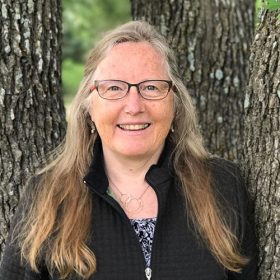
NAUFRP Secretary-Treasurer
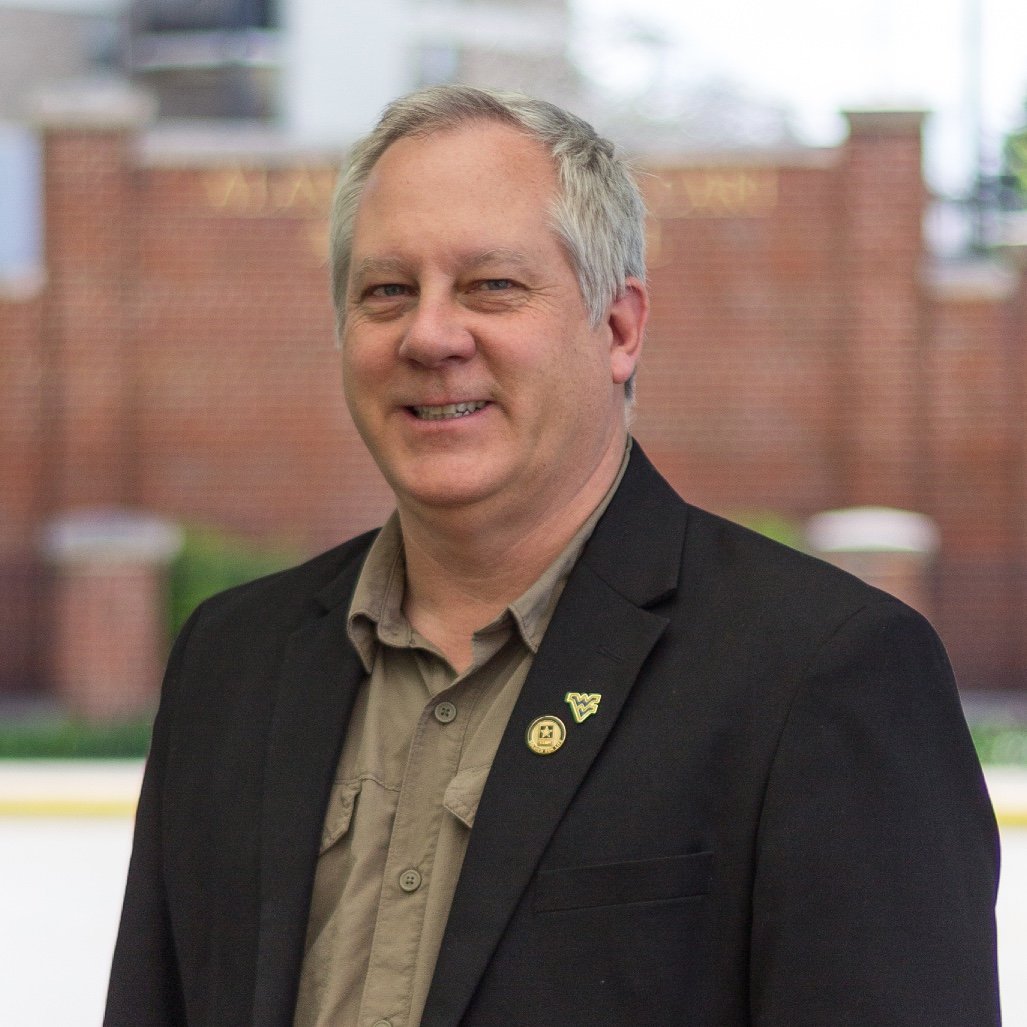
NAUFRP National Committee Chairs
No contacts found.

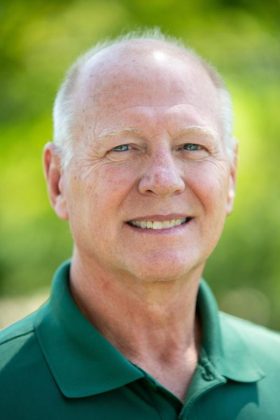


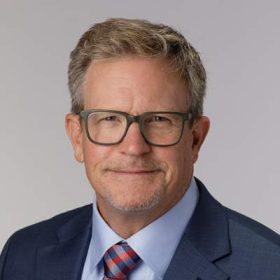
No contacts found.
No contacts found.
NAUFRP Regional Committee Chairs and At-Large Members
No contacts found.
-
Linda Nagel Interim Dean, College of Food, Agricultural and Natural Resource Sciences lnagel@umn.edu
-
Buck Vandersteen



No contacts found.
-
Linda Nagel Interim Dean, College of Food, Agricultural and Natural Resource Sciences lnagel@umn.edu
-
Buck Vandersteen
No contacts found.