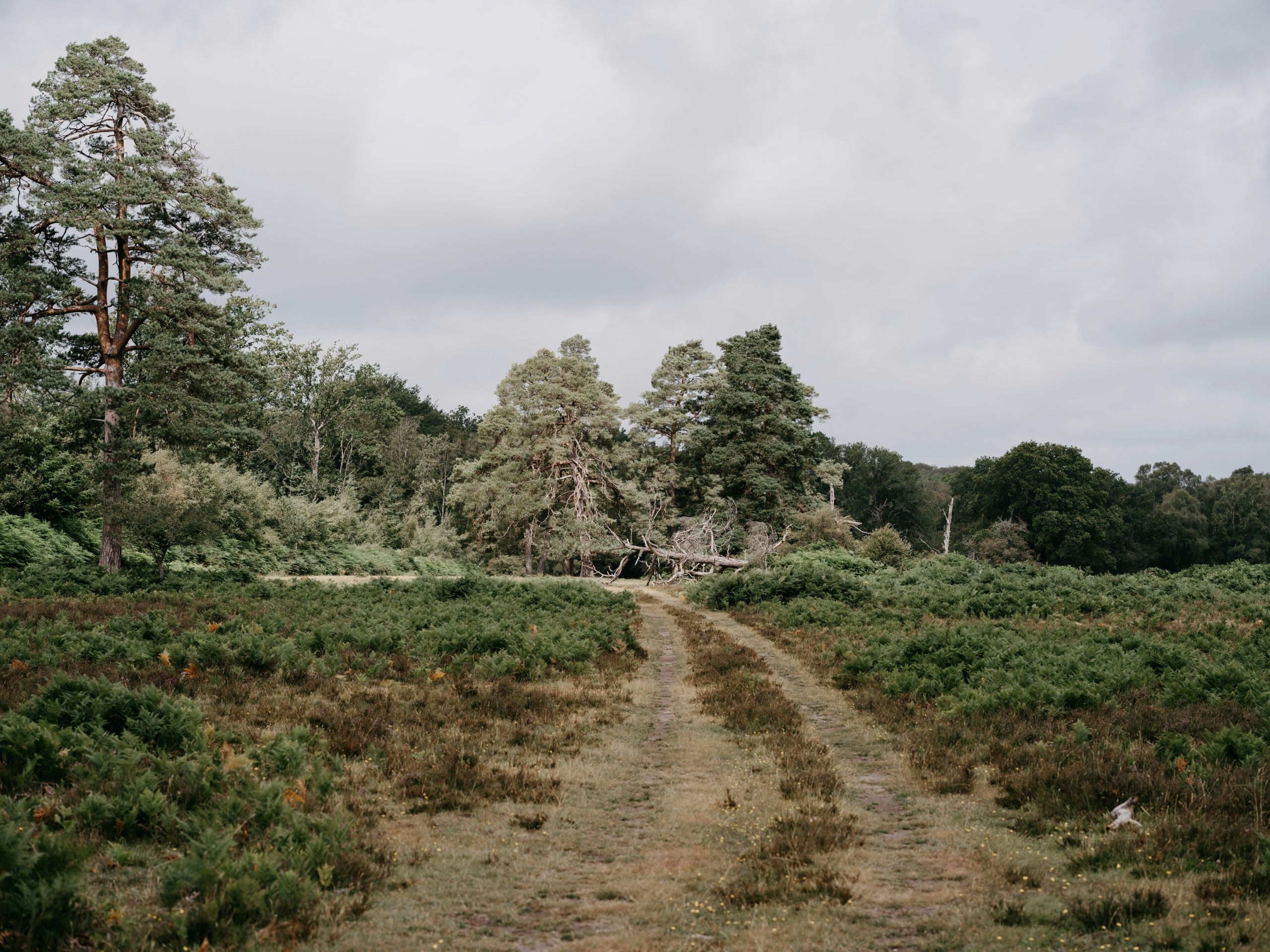

The South’s forests tell a unique story. From the pine plantations of the Coastal Plain to the diverse hardwood ecosystems of Appalachia, this region produces more timber than any other while supporting unparalleled biodiversity and providing critical ecosystem services to millions. On June 4, forestry educators from across the Southern region will gather for the annual Southern NAUFRP meeting to ensure our universities continue preparing professionals capable of managing these vital resources.
Southern NAUFRP represents forestry programs from Virginia to Texas, encompassing the nation’s most productive forest landscapes and its most complex management challenges. With 245 million acres of forestland—87% privately owned—the South faces distinct pressures: rapid urbanization, changing markets, invasive species, and increasingly severe weather events. Our universities must adapt their programs to prepare students for these evolving realities.
This year’s regional meeting promises robust discussions on critical topics shaping forestry education across the South. Deans and directors will share innovative approaches to student recruitment in an increasingly competitive environment. Faculty will discuss emerging research priorities, from carbon markets to prescribed fire management. Extension specialists will explore new models for reaching the region’s 5 million forest landowners, many of whom have never engaged with professional forestry services.
The meeting also provides a crucial forum for coordinating advocacy efforts. With several Southern states hosting both land-grant universities and renowned forestry schools, regional collaboration strengthens our collective voice in Washington. Attendees will strategize on securing continued federal support for programs particularly vital to the South, including research on forest productivity, wildfire management, and climate adaptation.
Perhaps most importantly, these regional gatherings foster the peer-to-peer learning that strengthens individual programs. Whether sharing successful diversity recruitment strategies, comparing curriculum innovations, or troubleshooting common administrative challenges, Southern forestry educators benefit from their colleagues’ experiences.
The South’s forests face an uncertain future, but one thing remains clear: strong university programs are essential for training the professionals who will guide these landscapes through coming challenges. The June 4 Southern NAUFRP meeting represents another step in that vital mission.
For meeting location, agenda, and registration details, contact your institution’s NAUFRP representative.